Description
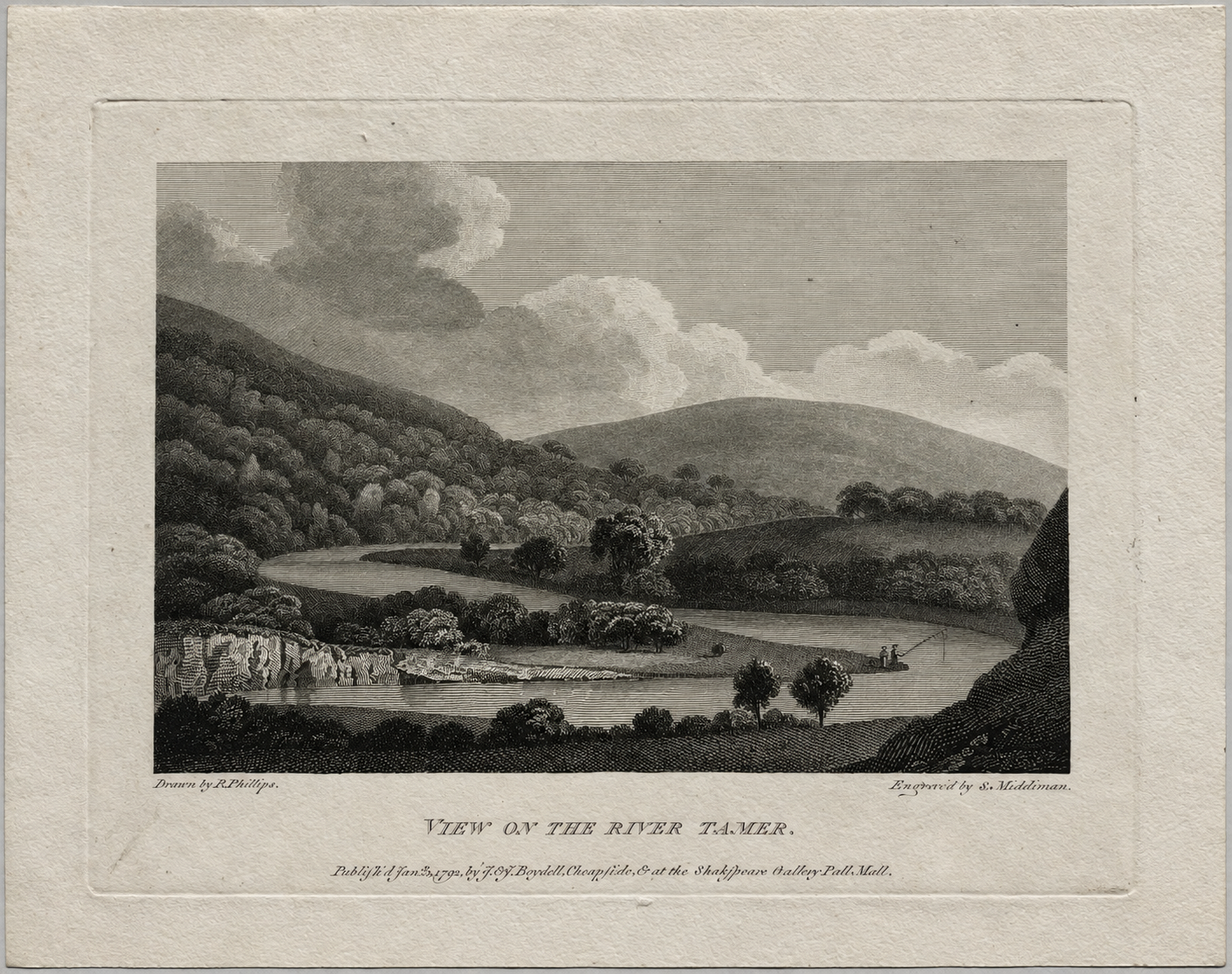
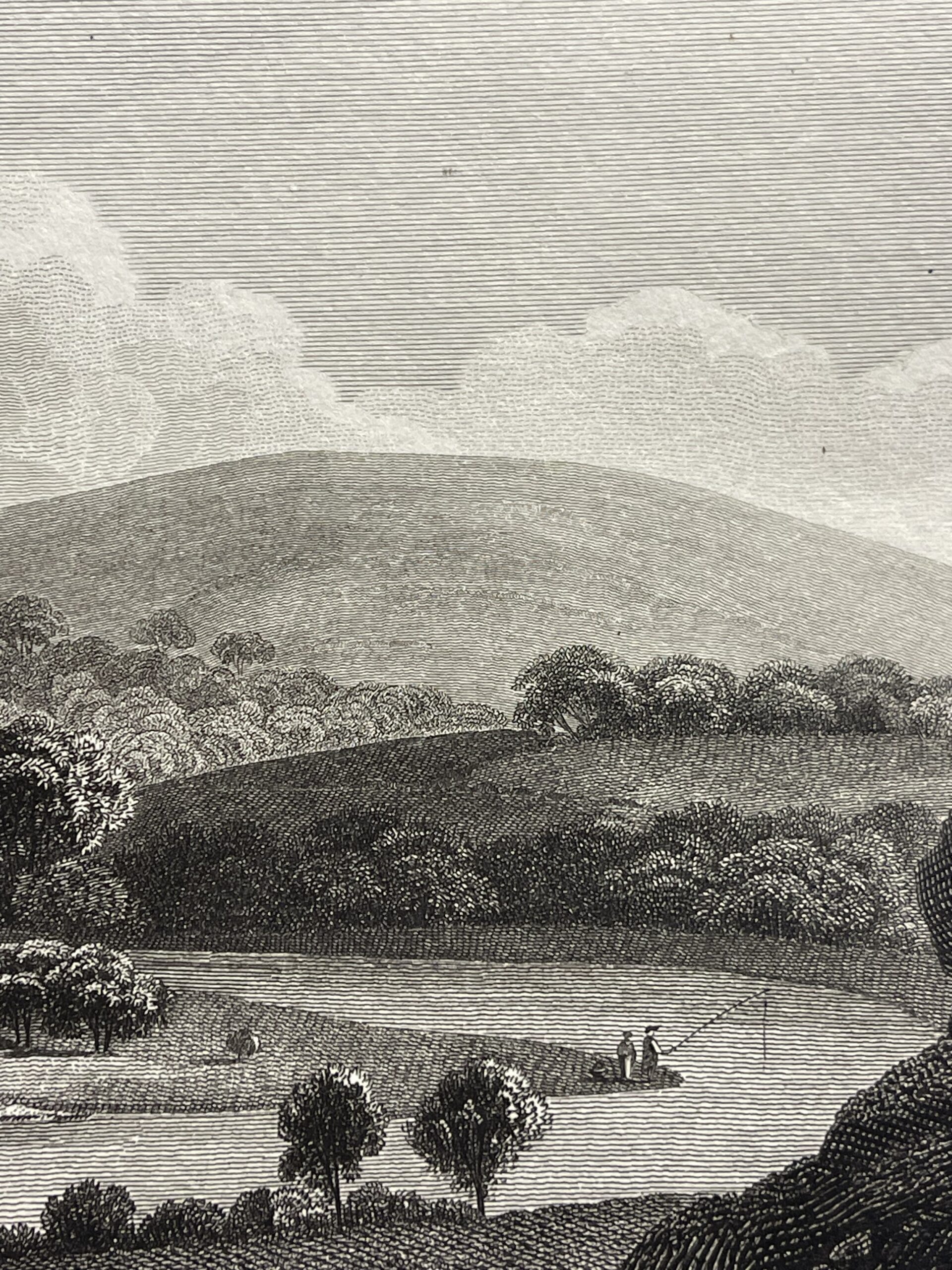
River Tamar antique engraving, a beautiful original 18th-century copperplate engraving dated January 3, 1792, depicting a magnificent picturesque landscape along the River Tamar, between Devon and Cornwall in southwestern England, United Kingdom.
The original engraved title reads View on the River Tamer, using an early spelling of the river’s name.
Drawn by R. Phillips and engraved by Samuel Middiman (c. 1750–1831), the distinguished British landscape engraver.
Published in London by John and Josiah Boydell, celebrated British print publishers established in Cheapside and at the Shakespeare Gallery, Pall Mall.
River Tamar – A Beautiful Georgian Landscape
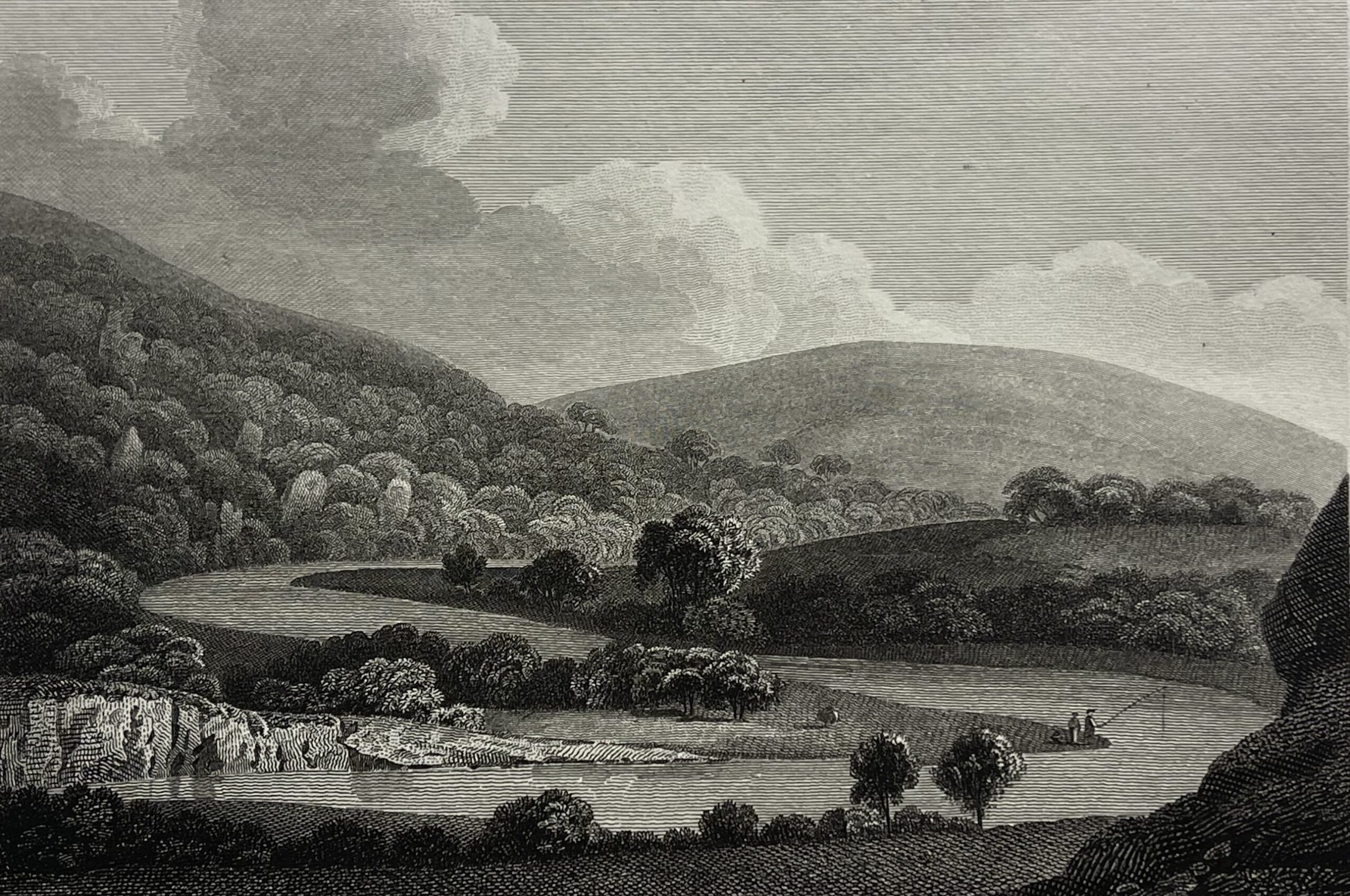
This remarkable engraving presents an extensive panoramic view of the Tamar Valley, with the river winding gracefully through a landscape of wooded hills and peaceful countryside.
In the foreground, the River Tamar follows a broad curve between densely vegetated banks.
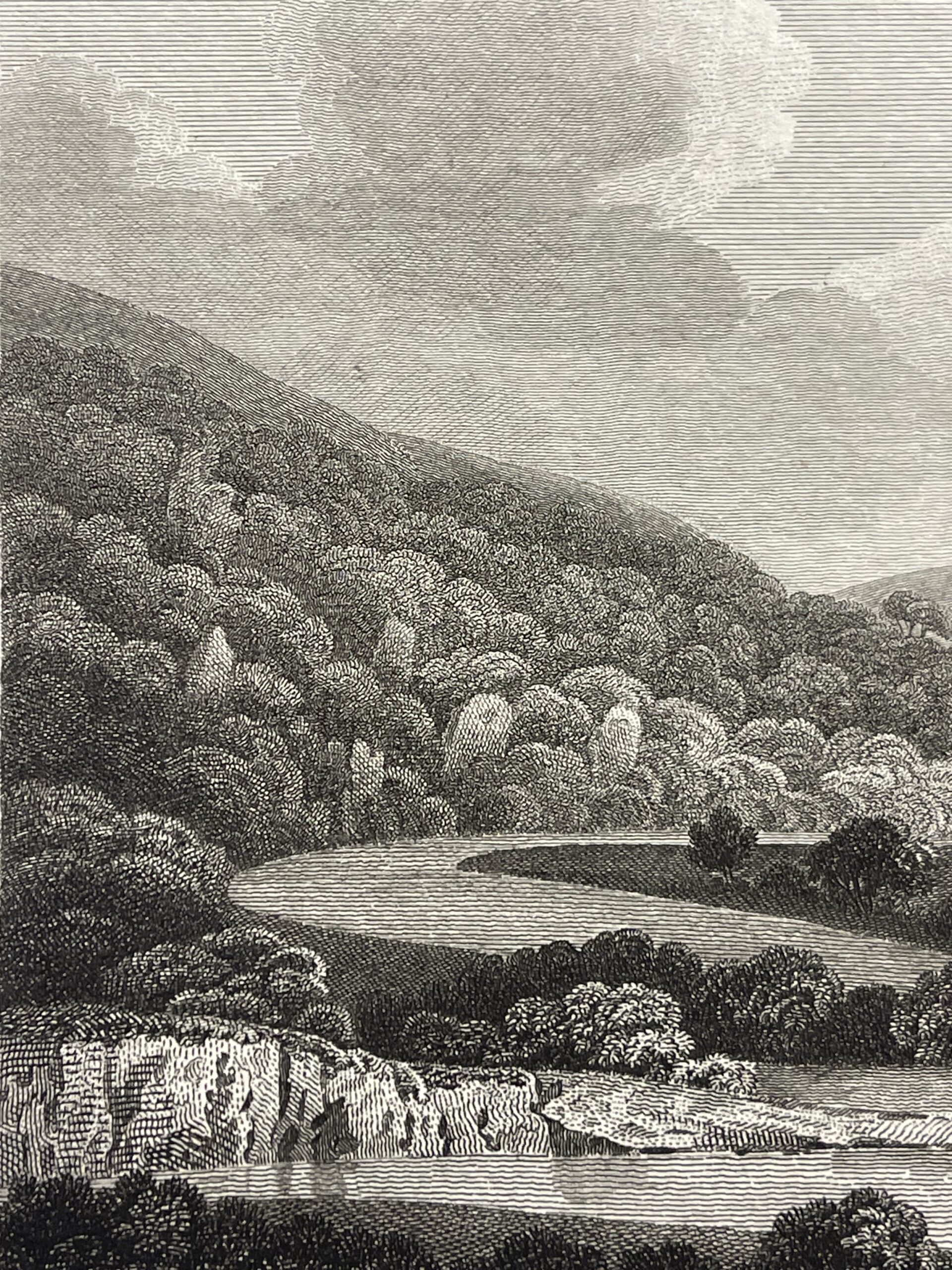
On the left, a rocky riverside escarpment rises above the water, surrounded by trees and shrubs.
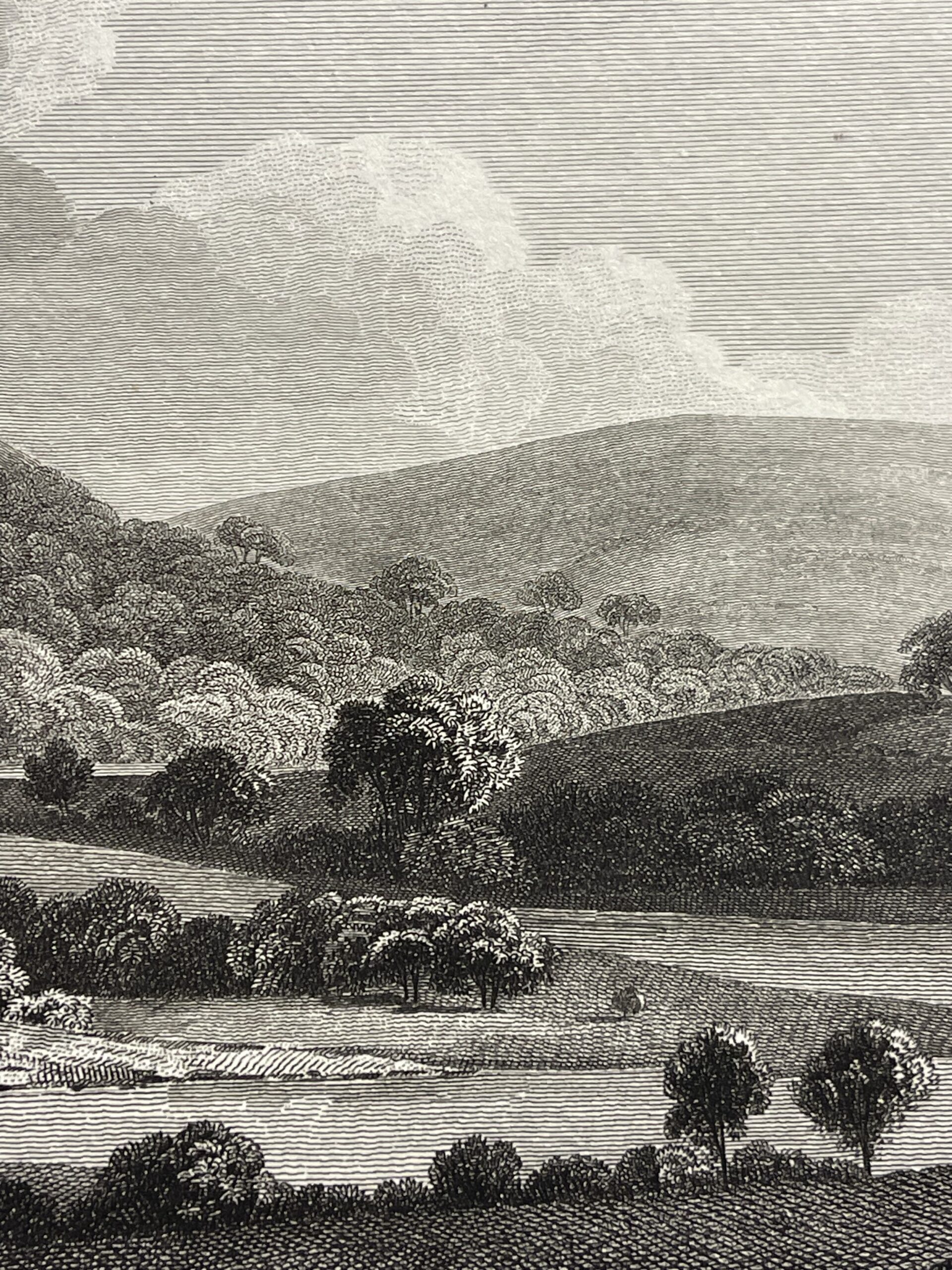
The central landscape features picturesque groups of trees, gently sloping fields and extensive woodland.
A small boat carrying two figures appears on the right, introducing an attractive element of rural life into the composition.
Beyond the river, wooded hills extend towards the distant horizon, creating a remarkable impression of depth.
The carefully balanced composition combines the beauty of the natural landscape with the refined atmosphere of late 18th-century British topographical art.
A Magnificent Atmospheric Sky
One of the most striking features of this engraving is the remarkable treatment of the sky.
Large cloud formations dominate the upper part of the composition, creating beautiful contrasts between illuminated clouds and darker atmospheric areas.
The engraver employs exceptionally delicate parallel lines and crosshatching to reproduce the subtle variations of light and shadow.
The dense foliage, distant hills and reflections on the water are rendered with remarkable precision.
These qualities illustrate the sophisticated tradition of picturesque landscape engraving developed in Britain during the Georgian period.
The River Tamar – Historic Boundary Between Devon and Cornwall
The River Tamar is one of the principal rivers of southwestern England.
Rising near the northern coast of the peninsula, it flows southwards through an extensive valley before reaching the estuary near Plymouth.
For much of its course, the river forms the historic boundary between Devon and Cornwall.
The Tamar Valley is celebrated for its wooded hills, picturesque river bends, rural settlements and rich historical landscape.
During the 18th century, the river and its surrounding countryside attracted the attention of artists, travellers and antiquarians interested in documenting Britain’s natural scenery.
The present engraving preserves an attractive representation of this landscape during the Georgian period.
Samuel Middiman (c. 1750–1831)
Samuel Middiman was one of the most accomplished British landscape engravers of the late 18th and early 19th centuries.
He became particularly celebrated for his finely executed copperplate engravings depicting picturesque landscapes, historic sites and natural scenery.
His work is characterised by delicate line engraving, sophisticated atmospheric effects and exceptional attention to the representation of trees, rocks, water and distant landscapes.
Middiman produced numerous engraved views after drawings and paintings by British artists.
In this composition, his technical skill is especially evident in the intricate rendering of the foliage, wooded hills, riverbanks and cloud formations.
R. Phillips – Original Draughtsman
The original composition was drawn by R. Phillips, whose name appears beneath the image.
The engraving preserves the artist’s carefully observed landscape, combining the winding river, wooded hills and peaceful rural scenery in a beautifully balanced composition.
An Attractive Original Georgian-Period Print
Published in London by the celebrated Boydell publishing house in 1792, this engraving is a fine example of late 18th-century British landscape art.
Its historical subject and refined execution make it particularly appealing to collectors of antique British engravings, Devon and Cornwall topography, Georgian landscapes and historic views of the River Tamar.
Dimensions
- Sheet: 24 × 19 cm
- Engraved image: 18.2 × 12.2 cm
Condition
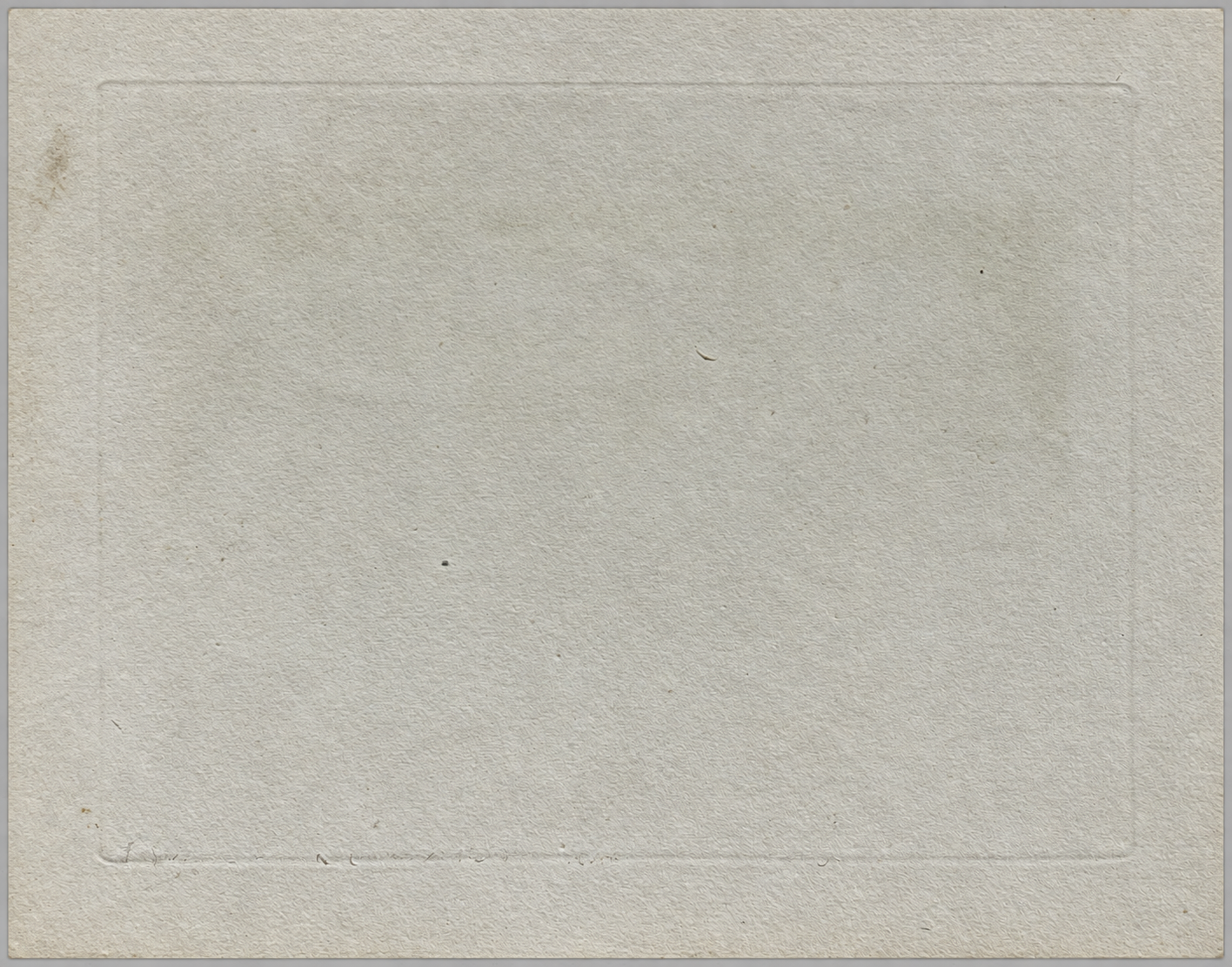
An antique impression displaying the natural patina of the paper. Beautiful preservation of the engraved composition and original inscriptions.


Avis
Il n’y a pas encore d’avis.