Schlitz Germany 1916 Original Graphite Drawing of Historic Half Timbered Houses and Old Wooden Cart
89,00 €
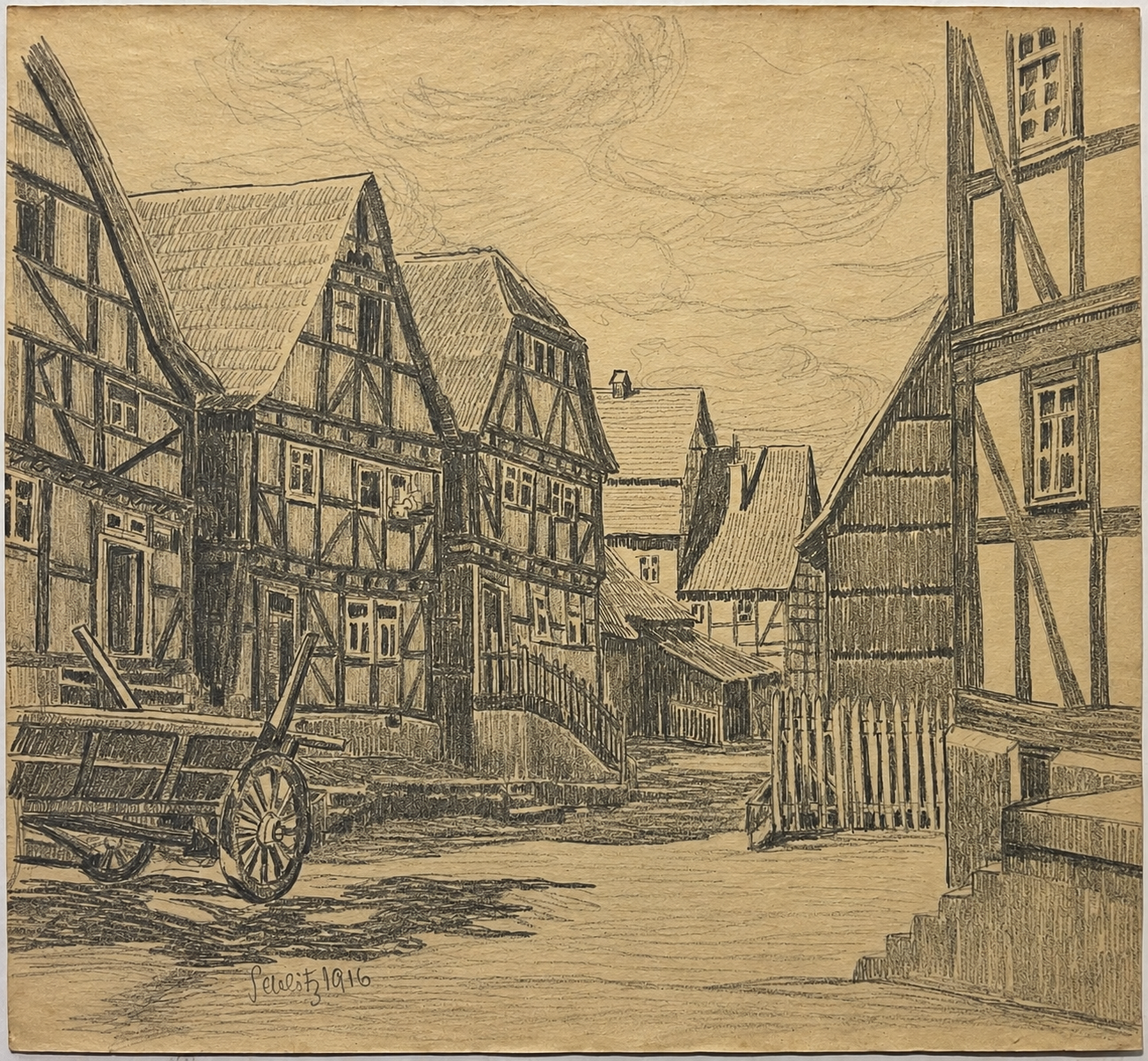
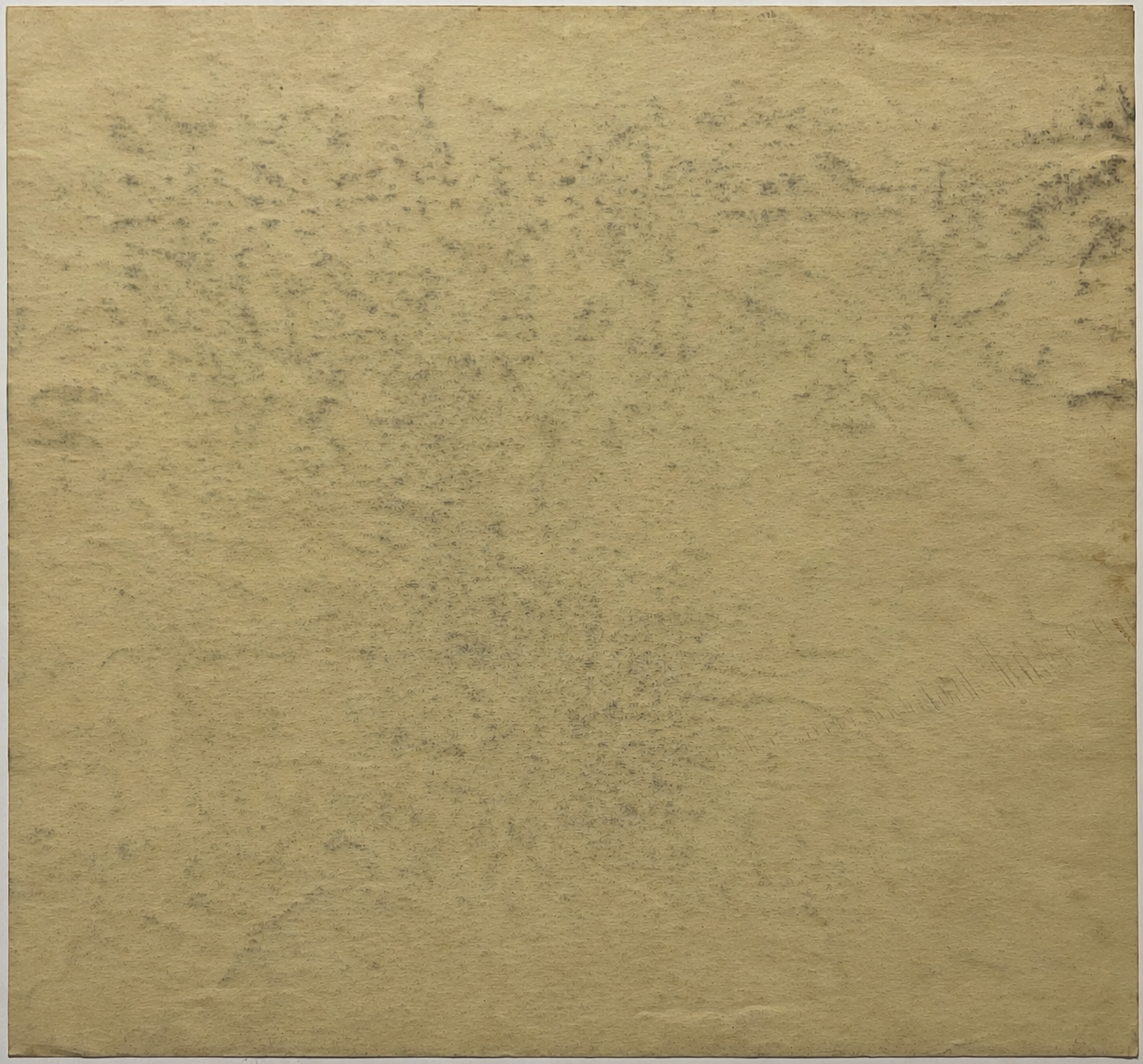
Schlitz Germany 1916 – Original graphite drawing of historic half-timbered houses and an old wooden cart.
Beautiful architectural composition depicting a picturesque German street surrounded by traditional timber-framed buildings with steep roofs, exposed wooden beams and small windows.
A two-wheeled wooden cart in the foreground adds particular historical and documentary interest to this original First World War-period drawing.
Handwritten inscription: « Schlitz 1916 ».
Sheet dimensions: 34.4 × 32.2 cm.
Original drawing on naturally aged paper. Anonymous artist.
ARTCULTURE6 Reference: 4937-13R500.
Description
Schlitz Germany 1916 – Original graphite drawing depicting a picturesque historic street with traditional half-timbered houses and an old wooden cart in the German town of Schlitz, Hesse.
Artculture6 presents this remarkable original German architectural drawing dated 1916, depicting an attractive group of traditional houses in the historic town of Schlitz.
Executed in graphite on paper, this finely detailed composition combines traditional German architecture with an interesting scene of everyday life at the beginning of the twentieth century.
The presence of an old two-wheeled wooden cart in the foreground gives the drawing a particularly charming and documentary character.
The work belongs to an interesting series of original German architectural and landscape drawings executed during the First World War.
SCHLITZ – A HISTORIC GERMAN TOWN IN HESSE
Schlitz is a picturesque historic town situated in the Vogelsberg region of Hesse, Germany.
Its origins extend back to the early Middle Ages, and its architectural heritage reflects many centuries of German history.
The town is particularly celebrated for its traditional half-timbered houses, narrow streets, historic castles and imposing medieval towers.
The historic centre preserves numerous buildings illustrating the craftsmanship and construction techniques of earlier generations.
The present drawing captures the atmosphere of one of these traditional architectural settings, with old houses arranged along a narrow street.
TRADITIONAL GERMAN HALF-TIMBERED HOUSES
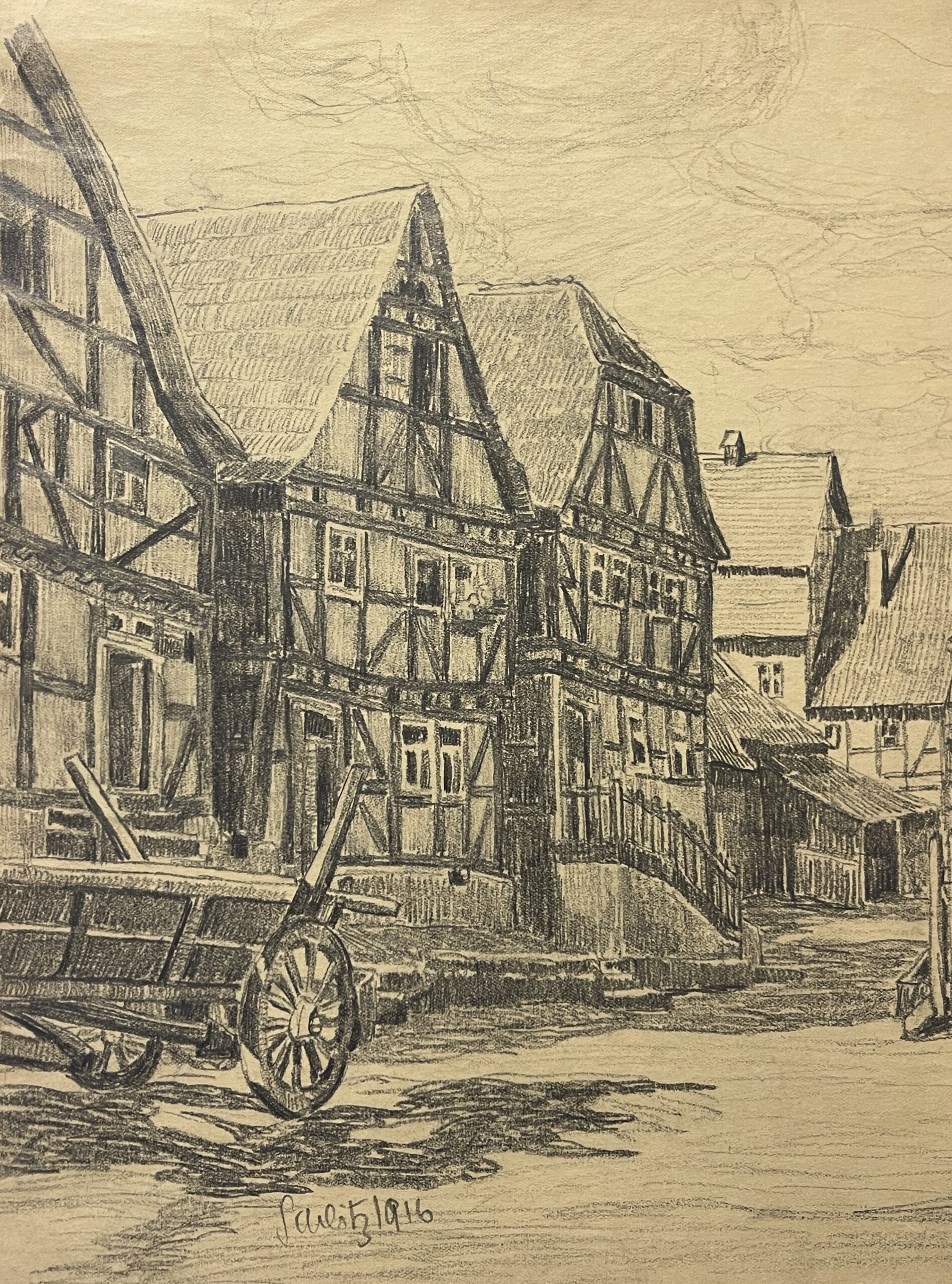
The left side of the composition is dominated by several substantial timber-framed buildings.
Their steep triangular roofs and exposed wooden frameworks are characteristic of traditional German architecture.
The artist has carefully represented the structural organisation of the façades, including horizontal beams, diagonal braces, vertical supports and timber joints.
The houses display numerous small windows and traditional wooden doors.
The roof surfaces are rendered through closely arranged graphite strokes, creating a convincing impression of texture and volume.
Some of the upper floors project slightly above the lower levels, contributing to the picturesque appearance of the buildings.
The succession of these historic façades creates a strong architectural rhythm.
A PICTURESQUE OLD GERMAN STREET
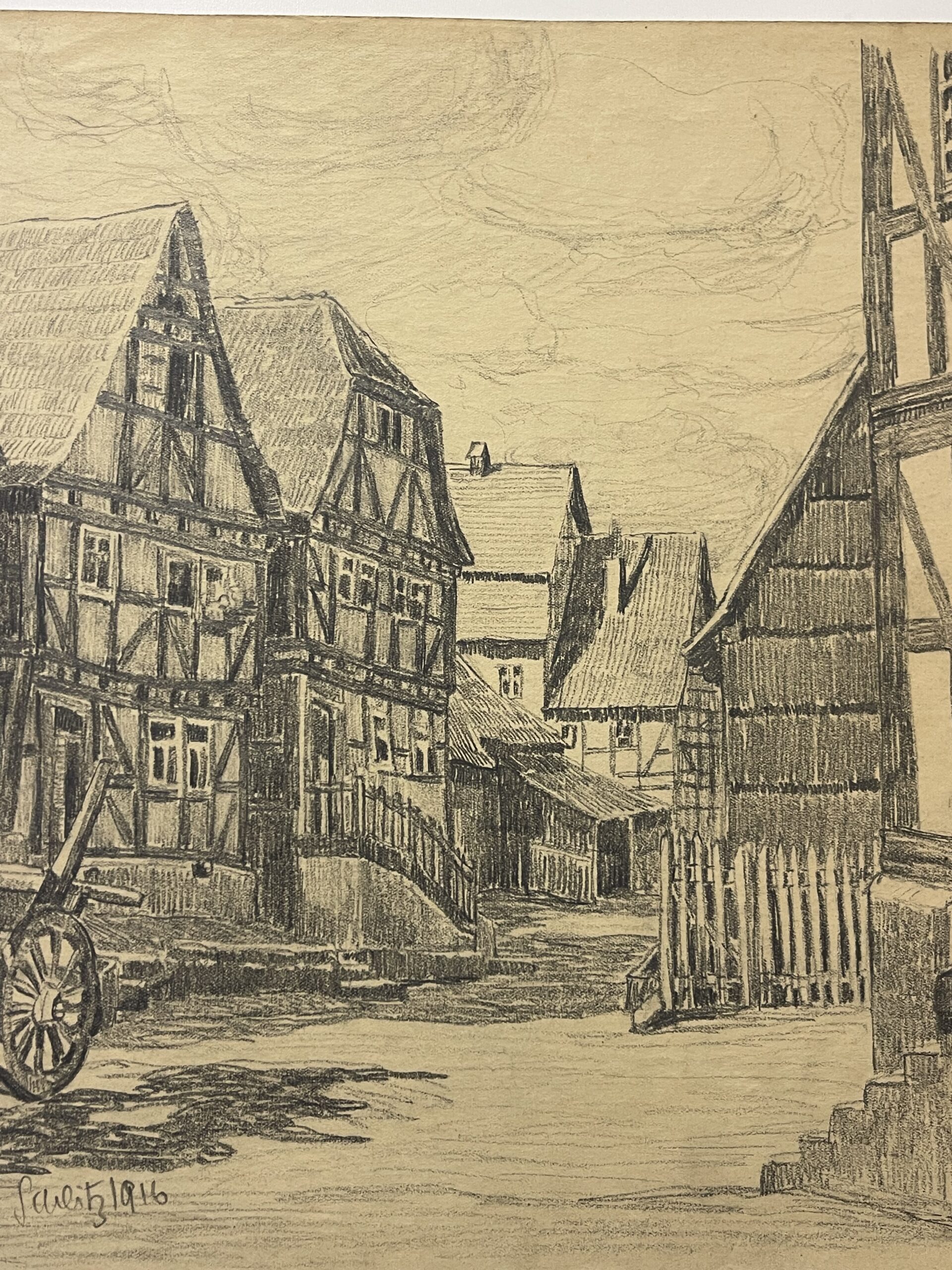
The composition is organised around a narrow street extending between the buildings.
The perspective leads the viewer towards several smaller houses visible in the background.
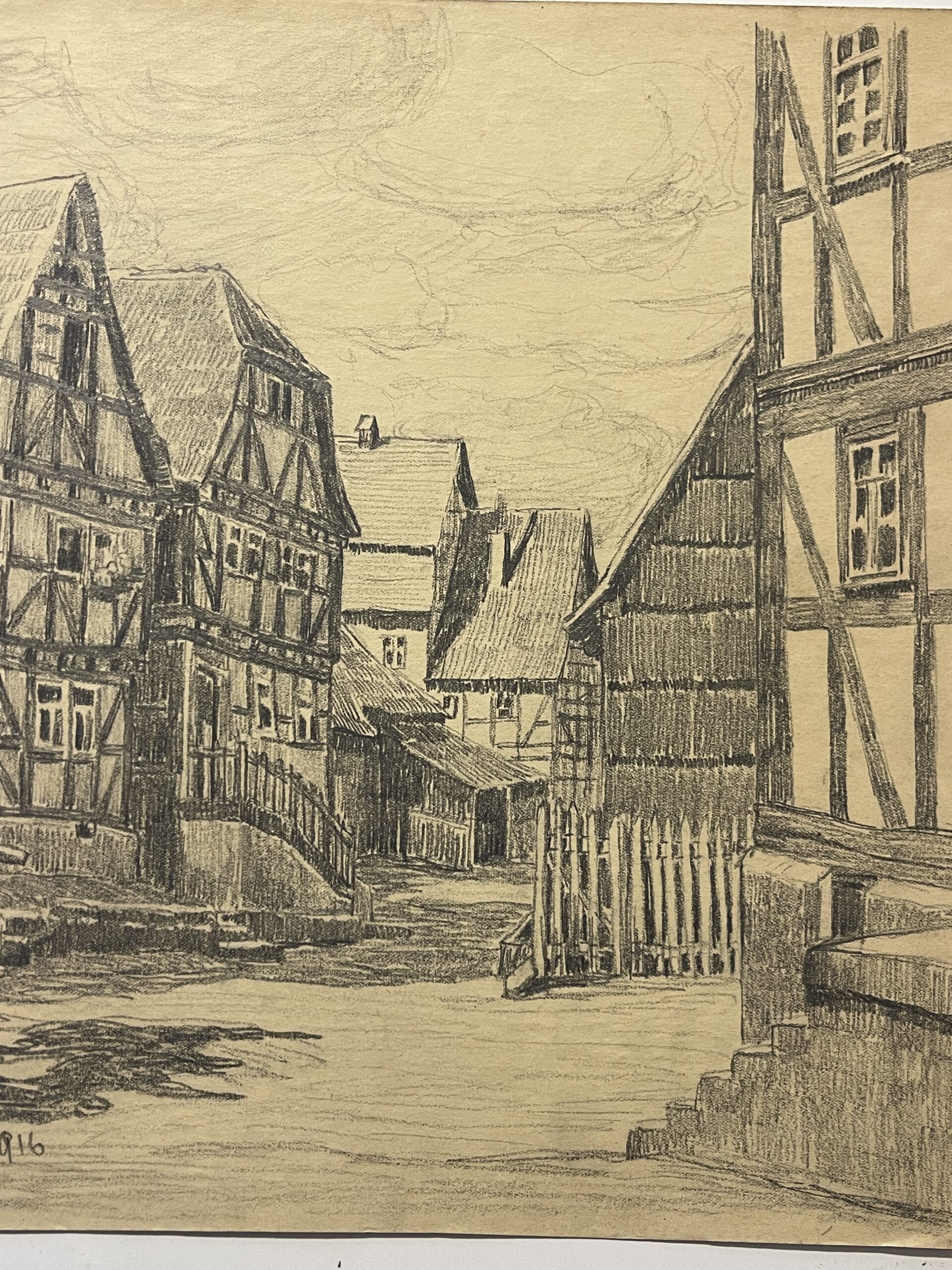
On the right, another substantial half-timbered building frames the composition.
Its exposed wooden construction, small windows and projecting architectural elements have been carefully observed.
A traditional wooden fence with pointed vertical boards stands beside the building.
The arrangement of the houses, passages and rooflines creates an attractive representation of an old German urban environment.
The composition is particularly interesting for the variety of timber construction techniques visible throughout the scene.
AN OLD TWO-WHEELED WOODEN CART
One of the most distinctive elements of this original drawing is the wooden cart standing in the left foreground.
The cart is represented with a large spoked wheel, wooden body and projecting shafts.
The artist has carefully described its construction, including the wheel spokes, wooden framework and structural details.
This traditional vehicle adds an important human and historical dimension to the composition.
Although no figures are represented, the presence of the cart evokes the transport of goods and materials through the streets of an early twentieth-century German town.
The combination of traditional architecture and an everyday working vehicle gives this drawing considerable documentary appeal.
ARTISTIC TECHNIQUE AND GRAPHITE EXECUTION
The artist demonstrates a confident understanding of architectural perspective and the representation of complex timber structures.
The drawing is executed through a combination of precise linear contours, closely arranged hatching and expressive areas of shading.
The exposed wooden beams are defined by strong graphite strokes, while the lighter sections of the façades receive a more delicate treatment.
Particular attention has been given to the steep roofs, small windows, doorways and traditional wooden construction.
The cart in the foreground is rendered with considerable precision, especially the large spoked wheel and its shadow.
Dark areas beneath the buildings contribute to the impression of depth.
The narrow street is treated with lighter strokes, allowing the surrounding architectural structures to remain prominent.
In the upper portion of the sheet, loosely sketched cloud formations contrast with the more fully developed houses.
The result is a carefully balanced original composition combining architectural observation with the atmospheric character of an antique pencil drawing.
GERMANY DURING THE FIRST WORLD WAR – 1916
This original drawing was executed in 1916, during the First World War.
It belongs to an interesting series of German subjects depicting historic towns, traditional buildings, courtyards and architectural landscapes.
Several drawings in the series represent different views of Schlitz.
Together, these works provide valuable visual records of German architecture and everyday surroundings during the early twentieth century.
The present drawing is particularly appealing because it includes an old wooden cart in addition to its carefully observed architectural setting.
The scene offers an evocative glimpse of traditional urban life during this historical period.
HANDWRITTEN LOCATION AND DATE
The lower part of the drawing bears the handwritten inscription:
« Schlitz 1916 »
This inscription identifies the town represented and the year of execution.
The artist remains anonymous.
DIMENSIONS AND TECHNICAL DETAILS
Country: Germany
Region: Hesse, Vogelsberg
Location: Schlitz
Date: 1916
Technique: Original graphite drawing on paper
Subject: Historic street with traditional half-timbered houses and a wooden cart
Sheet dimensions: 34.4 × 32.2 cm
Artist: Anonymous
Period: First World War
Handwritten inscription: Schlitz 1916
CONDITION
Original antique drawing on naturally aged paper, displaying the characteristic patina of an early twentieth-century work.
The architectural composition, graphite shading and original handwritten inscription remain well preserved.
COLLECTOR’S INTEREST
A particularly attractive original work for collectors interested in German architectural drawings, traditional half-timbered houses, historic town views and early twentieth-century everyday life.
The picturesque wooden cart, carefully rendered timber structures and handwritten date give this drawing both artistic and documentary interest.
An appealing addition to a collection of original European drawings, historic German landscapes and First World War-period works on paper.
ARTCULTURE6 REFERENCE: 4937-13R500



Avis
Il n’y a pas encore d’avis.